The Health Concord
Newsletter
Welcome to
Your
Health Concord.
We are glad you’re here!
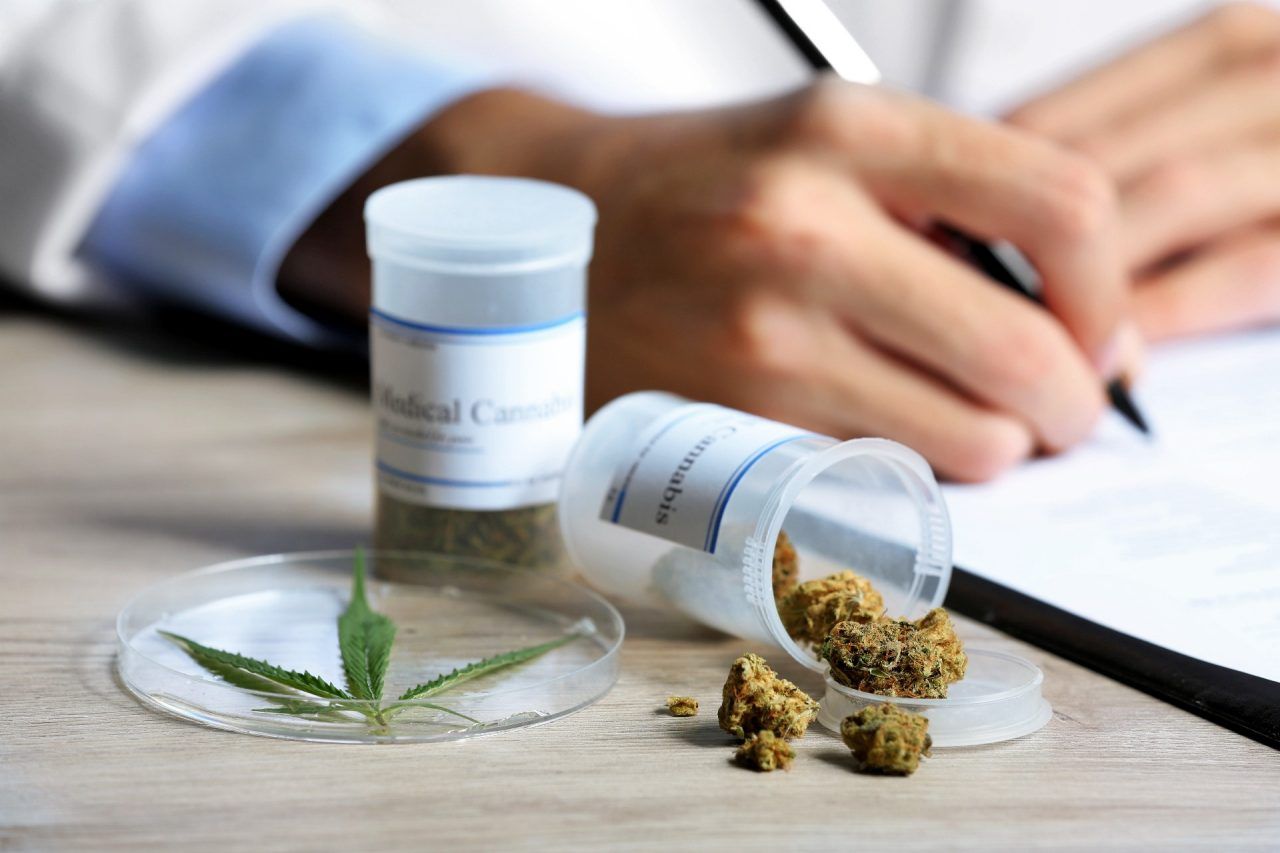
Our role is simple: to help you make clear, safe, evidence-informed decisions about medicinal cannabis—without confusion, hype, or guesswork.
A “concord” is an agreement.
A meeting of minds.
A state of harmony.
That’s exactly what this newsletter is designed to create: concord between you and your health.
Because when your choices align with your goals—sleep, stress resilience, pain support, or quality of life—your body stops fighting you. And your routine starts working with you, not against you.
Here’s what you can expect from each edition:
-
Adult Health Guidance you can actually apply in real life
-
Product Quality Education so you know what to look for (and what to avoid)
-
Pet Safety Support to help you make responsible decisions for the animals you love
We’ll keep the tone practical, the information approachable, and the safety standards high.
You’ll also see an emphasis on harm reduction:
Starting thoughtfully, understanding the differences between product types, recognizing red flags, and knowing when to pause and speak with a clinician or veterinarian.
Most importantly, this isn’t about pushing products or promises.
It’s about helping you build a wellness approach that’s calm, measured, and sustainable.
If you’re here, you’re already doing the most important thing: choosing education over impulse.
Let’s create concord— a healthier rhythm, better choices, and a more confident relationship with your own wellbeing.
Week of
Feb. 9th, 2026

The Calm Column
Adult Health: A Safer, Clearer Approach to THC for Stress and Sleep
If you’re exploring medicinal cannabis, I want you to start with one guiding principle:
Clarity first.
Not hype. Not assumptions. Not trial-and-error that leaves you feeling uneasy the next day.
Many high-performing adults consider THC products for support with:
-
difficulty winding down after long workdays
-
nighttime mental “looping” that disrupts sleep
-
discomfort that makes rest harder
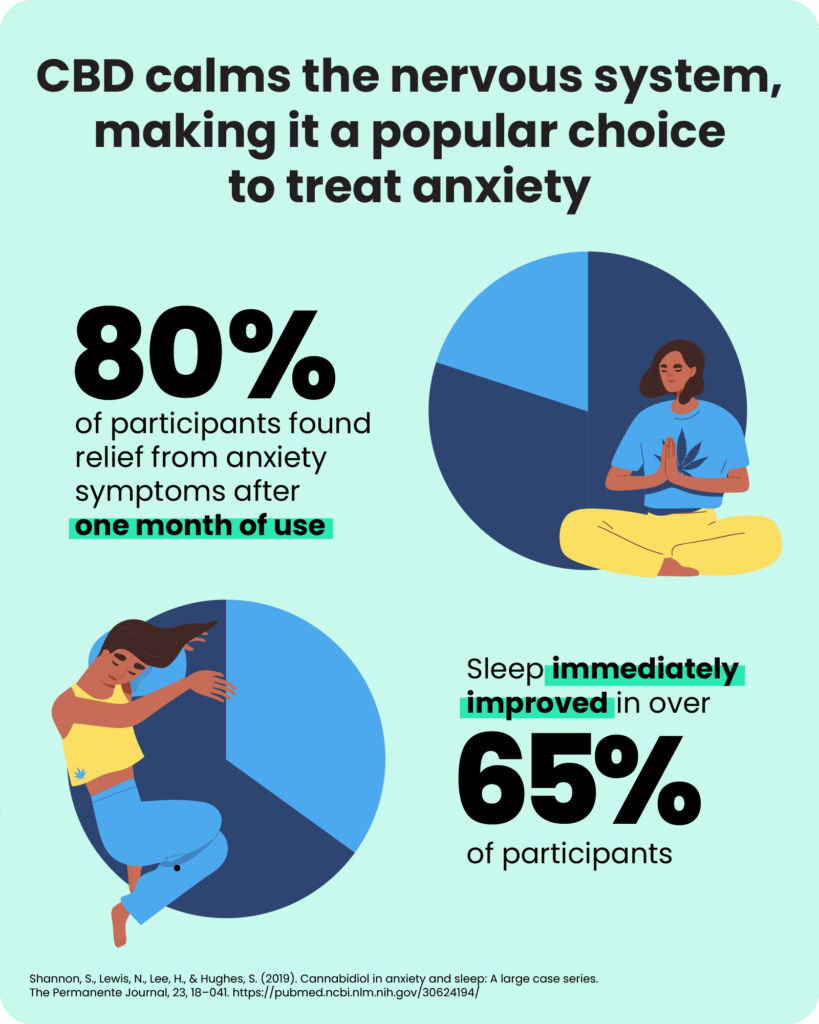
THC can affect perception of stress and physical sensations, and in some people it supports relaxation. But the goal should never be impairment. The goal is stability and intentional use.
A supportive, surprising fact about THC
Edibles often feel stronger and last longer than inhaled products because the body processes them differently. This difference is one reason people unintentionally take too much—especially when they don’t feel immediate effects.
Safety Snapshot (adult-focused)
-
Choose one goal for use: sleep, stress reduction, or discomfort support.
-
If you’re new, begin with the lowest possible amount and increase slowly over time if needed.
-
Avoid combining THC with alcohol or other sedating substances.
-
Do not drive or operate machinery while impaired.
-
If you take prescription medications, ask a clinician or pharmacist about possible interactions.
Do this today:
Take 60 seconds and write your “intent statement” before using anything:
“I am using this for ______, and I will stop if I notice ______.”
This small step dramatically reduces impulsive decisions and helps you learn what actually works for your body.
Medical Grade Cannabis
Can Aid Chronic Pain support
A major National Academies review found substantial evidence that cannabis/cannabinoids can help chronic pain in adults—one of the strongest supported medical uses across the research.

The Purity Protocol
Product Quality:
How to Buy with Confidence (and Avoid Preventable Risks)

If you take only one message from The Purity Report, let it be this:
You are not buying a feeling. You are buying a formulation.
Quality matters because it influences:
-
predictability of effects
-
dosing accuracy
-
safety (contaminant exposure is a real concern in poorly controlled products)
A supportive, surprising fact about THC
The THC number alone does not always predict how a product will feel. Other components—such as terpenes and minor cannabinoids—can shape the experience, as can the delivery method and how the product is manufactured.
The 60-second quality checklist (non-negotiables)
Before you purchase, look for a COA (Certificate of Analysis) from a third-party lab that shows:
-
THC/CBD potency per serving
-
screening for pesticides
-
screening for heavy metals
-
screening for microbials/mold
-
screening for residual solvents (important for vapes and concentrates)
-
a batch number that matches the product label
If the COA is missing, outdated, or doesn’t match the batch—treat that as a reason to walk away.
Safety Snapshot (quality-focused)
-
Avoid products with vague ingredient lists or unclear serving sizes.
-
Be cautious with “miracle claims” or disease-curing language.
-
Store products away from heat and light to reduce degradation.
-
Keep all products secured—especially in homes with children or pets.
Do this today
Open one product website you’ve considered buying from and ask: “Can I access the COA in under 10 seconds?”
If not, the brand is not meeting a standard that supports confident use.
Cannabis Sleep Benefits
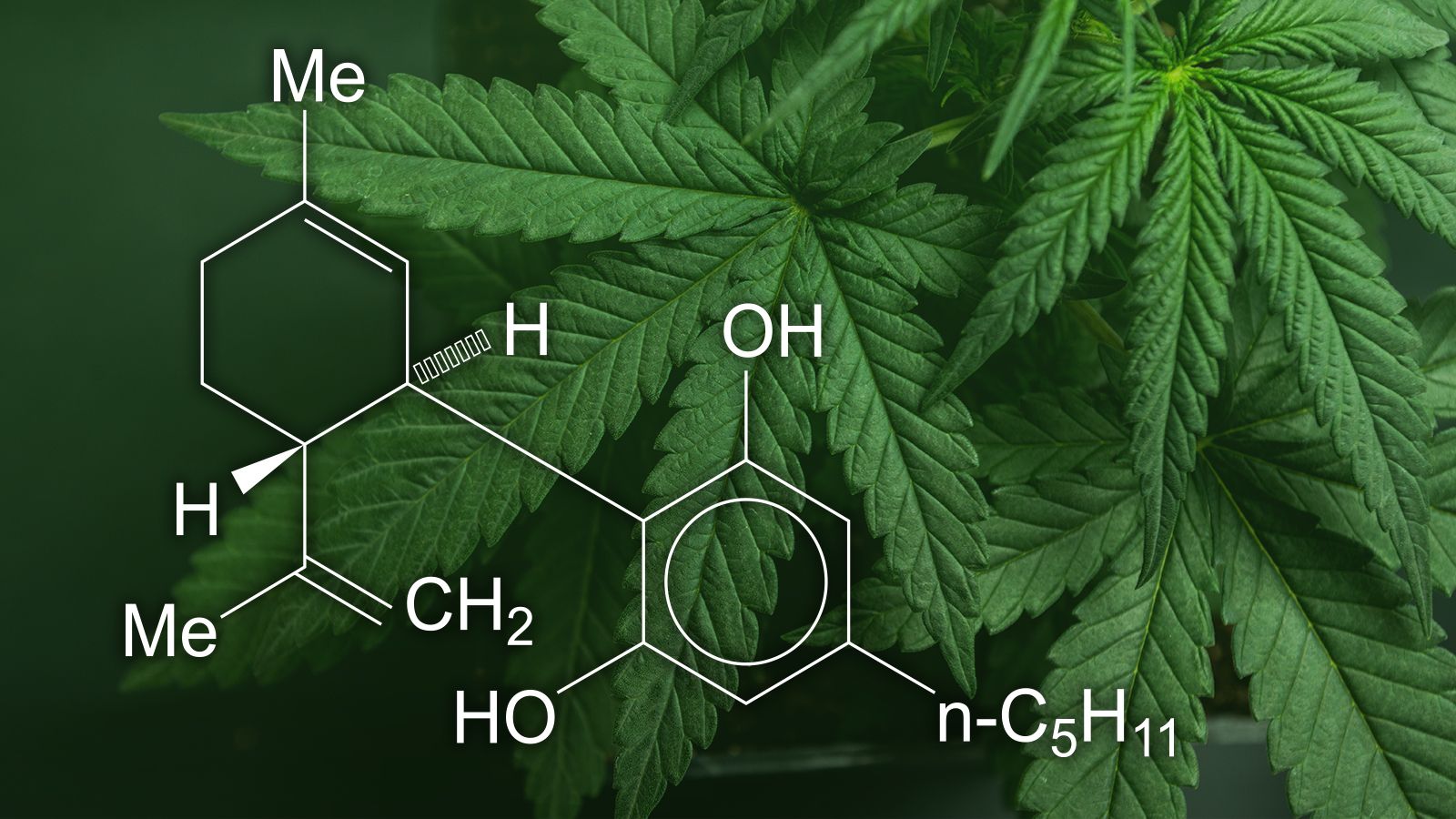
Cannabis/cannabinoids may improve short-term sleep outcomes in some people when sleep disruption is tied to certain medical conditions (like chronic pain or multiple sclerosis). A major National Academies review rated this as moderate evidence for improving short-term sleep outcomes in those contexts.
Paws & Effect
Pets: Responsible Guidance and
Why THC Requires Extra Caution

When it comes to pets, the priority is always the same:
Safety over experimentation.
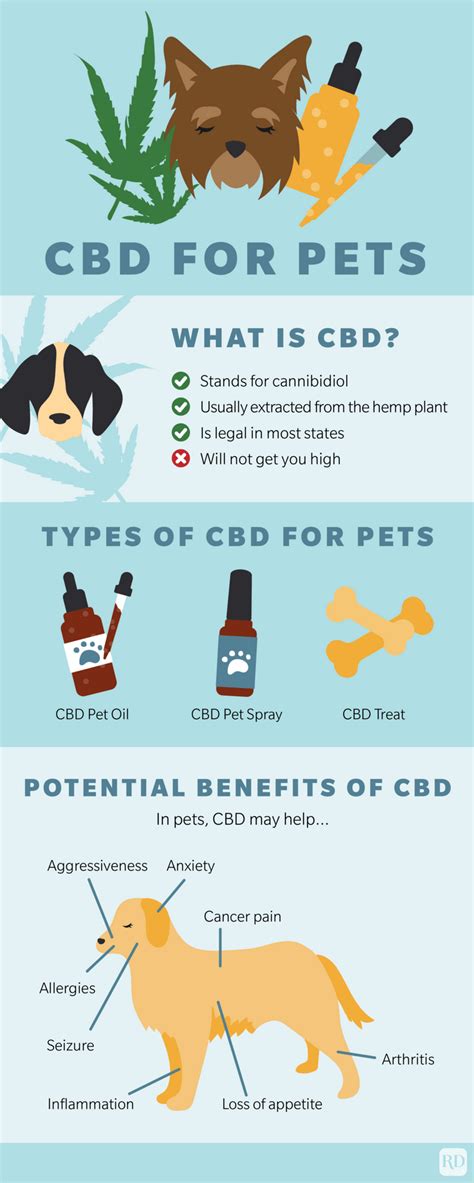
Pets metabolize cannabinoids differently than humans. Because of their size and physiology, exposure to THC can lead to significant adverse effects.
For this reason, discussions around cannabinoid support for pets typically focus on:
-
CBD-dominant products formulated specifically for animals
-
veterinary guidance, especially for older pets or pets on medications
A supportive, surprising fact about THC
A dose that seems mild to a human may be overwhelming for a pet.
This is one reason accidental ingestion of THC-containing edibles can become an urgent situation.
Safety Snapshot (pet-focused)
Possible signs of THC toxicity in pets can include:
-
wobbliness or difficulty walking
-
pronounced sedation
-
drooling
-
vomiting
-
agitation or confusion
If you suspect THC exposure, contact your veterinarian or an animal poison control resource immediately.
Do this today
Use this exact question with your veterinarian:
“If I’m considering a CBD product for anxiety or mobility discomfort, what product standards do you trust, what range is appropriate for my pet, and what should I monitor in the first 72 hours?”
That conversation is the difference between guessing and protecting.
Get to know us
The HEALTH CONCORD Team

Lets Stay in Touch!
The Health Concord
Newsletter